
Independence Pass
Nature's Majesty: Discovering Independence Pass in Colorado

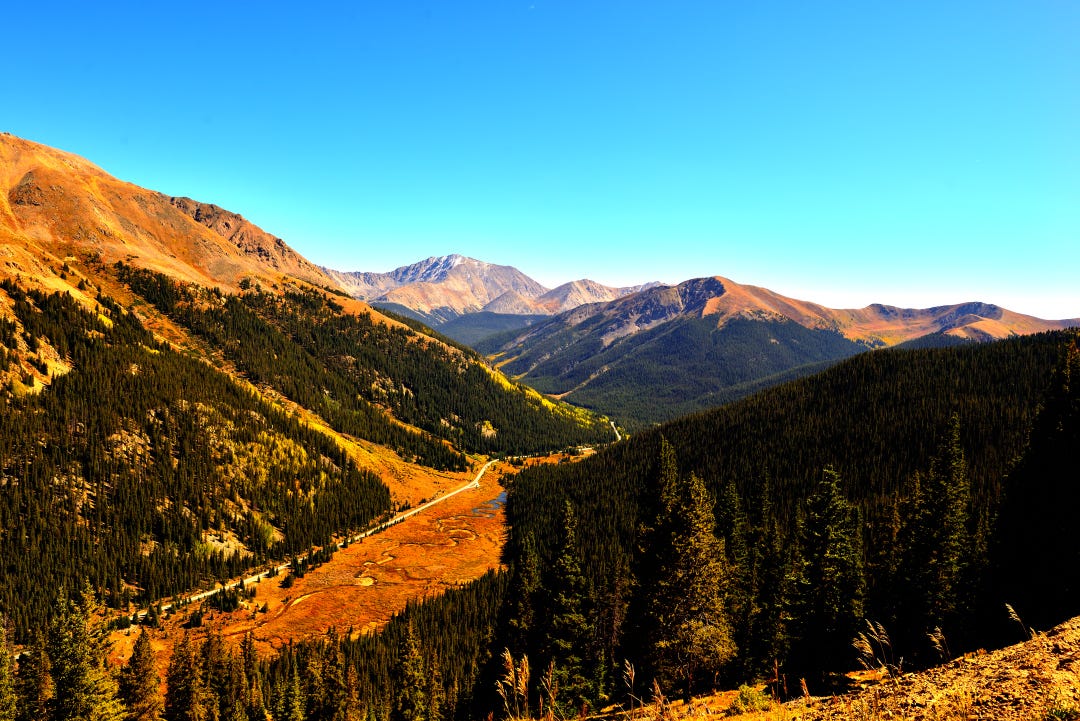
Independence Pass is a breathtakingly beautiful and iconic mountain pass located in the heart of the Colorado Rocky Mountains. Spanning over 20 miles of scenic highway, it traverses through the White River and San Isabel National Forests, connecting the towns of Aspen and Twin Lakes. At an elevation of 12,095 feet, it is one of the highest mountain passes in Colorado and offers a thrilling and awe-inspiring experience for visitors who venture along its winding roads.
The journey along Independence Pass is a visual feast for the senses. The rugged peaks of the Rocky Mountains tower majestically on both sides of the road, adorned with dense pine forests, alpine meadows, and cascading waterfalls. The dramatic cliffs, sheer drop-offs, and sharp switchbacks add an element of excitement to the drive, as each turn reveals a new breathtaking vista that leaves visitors in awe of nature's grandeur.
The panoramic views from Independence Pass are simply mesmerizing. From the summit, visitors can take in sweeping vistas of the surrounding mountain ranges, including the Sawatch Range and the Collegiate Peaks. The sight of snow-capped peaks against the clear blue sky, dotted with wildflowers during the summer months, is a sight to behold. The crisp mountain air, the serene silence, and the untouched wilderness of the surrounding landscape create a sense of tranquility and solitude that is truly captivating.
In addition to its natural beauty, Independence Pass also holds historical significance. The pass has been used by Native Americans, early explorers, and miners throughout history. It was originally a Ute Indian trail and later served as a crucial route for early explorers and pioneers in the 19th century seeking access to the fertile valleys and mining areas of Colorado. Today, the pass is recognized as a National Historic Landmark, preserving its cultural and historical significance.
Visiting Independence Pass offers a plethora of recreational opportunities. Hiking trails abound in the surrounding area, providing opportunities to explore the alpine tundra, enjoy wildflower displays, and marvel at the pristine wilderness. The pass is also a popular destination for outdoor enthusiasts, offering opportunities for camping, fishing, and picnicking. During the winter months, the pass is closed to vehicles due to heavy snowfall, but it transforms into a winter wonderland, attracting snowshoers, cross-country skiers, and backcountry adventurers.
Despite its natural beauty and recreational opportunities, Independence Pass demands respect and caution from visitors. The high elevation, sharp curves, and steep drop-offs require careful driving and adherence to traffic regulations. Weather conditions can be unpredictable, with sudden changes in temperature, wind, and precipitation, even in the summer months. It is essential to be prepared with appropriate clothing, food, water, and a well-maintained vehicle when traversing this high-altitude pass.
In conclusion, Independence Pass in Colorado is a stunning and awe-inspiring mountain pass that offers a unique and unforgettable experience for visitors. Its natural beauty, historical significance, and recreational opportunities make it a must-visit destination for nature enthusiasts, outdoor adventurers, and history buffs alike. From its panoramic vistas to its cultural heritage, Independence Pass is a true gem in the heart of the Rocky Mountains, offering a captivating and memorable journey through Colorado's rugged and pristine wilderness.